
Real estate video marketing gives you a repeatable system to win listings and build a personal brand, and you can start with the phone in your pocket. Most agents already know video works. What stalls them is knowing what to film, how to produce it, and whether it’s paying off.
This playbook fixes that. You’ll get a starter shot list, fill-in-the-blank script templates, a short-form distribution plan, a simple way to measure results against leads, and Fair Housing guidance built for video. Video and high-quality visuals are a core pillar of an agent’s online marketing mix, according to the National Association of REALTORS®.
Table Of Contents
- Key Takeaways
- Why Real Estate Video Marketing Works For Agents
- The Video Types Every Agent Should Master
- How To Produce A Real Estate Video: A 5-Step Workflow
- How Long Should A Real Estate Video Be?
- Where To Distribute: Short-Form And Platform Strategy
- Measuring What Works
- Staying Fair Housing Compliant In Your Videos
- Keep Building Your Skills
- Conclusion
- Frequently Asked Questions
- Related Content
Key Takeaways
- Today’s buyers expect video, so treat it as a standard part of your marketing, not a bonus.
- Start with a smartphone. Gear matters far less than consistency and a clear message.
- Pick three or four repeatable formats you can produce every week instead of chasing every idea.
- Script and shot-list before you film. Planning cuts reshoots and sharpens your message.
- Distribute short-form where attention is, then measure views against leads and appointments.
- Follow Fair Housing rules on camera. A listing video is advertising, and the same rules apply.
Why Real Estate Video Marketing Works For Agents
Buyers start their search online, and they expect to see a property before they ever call. Video answers that expectation and builds trust faster than text, because people connect with a face, a voice, and a walk-through they can follow.
More than half of agents now use photo and video tools to market listings, and most buyers and sellers respond positively to that technology, according to the National Association of REALTORS® Technology Survey. Video also ranks among the highest-return content formats marketers use, per HubSpot’s roundup of current video marketing statistics. For an agent, that means real estate video marketing earns attention and does it efficiently.
What This Means For Your Business
Views only matter when they turn into conversations. Every video should point somewhere: a listing page, a booking link, or a reply in your inbox. That way your content feeds prospecting and follow-up instead of sitting idle. For a deeper walkthrough on that step, see how to turn video views into better leads.
The Video Types Every Agent Should Master
You don’t need every format. Pick three or four you can produce consistently, then rotate them so your feed stays varied without overwhelming your calendar. Here are the core types worth mastering first.
Listing And Property Tour Videos
These are your workhorse. Film a full walk-through for YouTube and your listing pages, then cut vertical highlight clips for social. Lead with the standout feature, keep a steady pace, and narrate what a buyer can’t see in photos.
Neighborhood And Community Guides
Sell the area, not just the house. Tour the coffee shop, the park, and the commute so buyers picture their life there. These guides are evergreen and locally searchable, so they keep working long after one listing sells.
Agent Introduction And Personal-Brand Videos
Introduce who you are, who you serve, and why clients trust you. Do the positioning work first: know your niche, your values, and your message. Start with building your real estate personal brand, then define your niche as a new agent before you turn on the camera.
Testimonials, Educational, And Market-Update Videos
Client testimonials give you social proof. Short explainers answer common buyer and seller questions and build trust. Recurring market updates keep you top of mind and position you as the local expert people call first.
Action Tips For A Weekly Format Mix
- Choose one listing clip, one educational clip, and one personal clip each week.
- Batch-film several videos in one session to protect your calendar.
- Repurpose one long tour into three or four short vertical clips.
How To Produce A Real Estate Video: A 5-Step Workflow
Use one pipeline for every video: plan, script, film, edit, then publish. The workflow below is simple enough to run on any listing and repeatable enough to become a habit.
Step 1: Plan And Build A Shot List
A shot list is a written plan of every clip you need to capture, in order. It prevents missed rooms and cuts return trips. Use this starter shot list for a listing tour:
- Exterior approach and curb appeal, filmed while walking toward the door.
- Entry and first impression as you step inside.
- Kitchen, main living space, and primary bedroom.
- The standout feature, such as a view, a yard, or an upgrade.
- Closing shot with your branding and a clear next step.

Step 2: Script It (Templates Included)
A short script keeps you on message and confident on camera. Fill in the blanks below.
Listing tour template:
- Hook: “You have to see the [standout feature] in this [neighborhood] home.”
- Body: “It has [number] bedrooms, [key detail], and [second key detail].”
- CTA: “Comment [word] or tap the link to book a private tour.”
Agent-intro template:
- Hook: “If you’re buying or selling in [area], here’s how I help.”
- Body: “I work with [your niche] and focus on [your value].”
- CTA: “Send me a message with [word] and let’s talk.”
Step 3: Film With Gear You Already Have
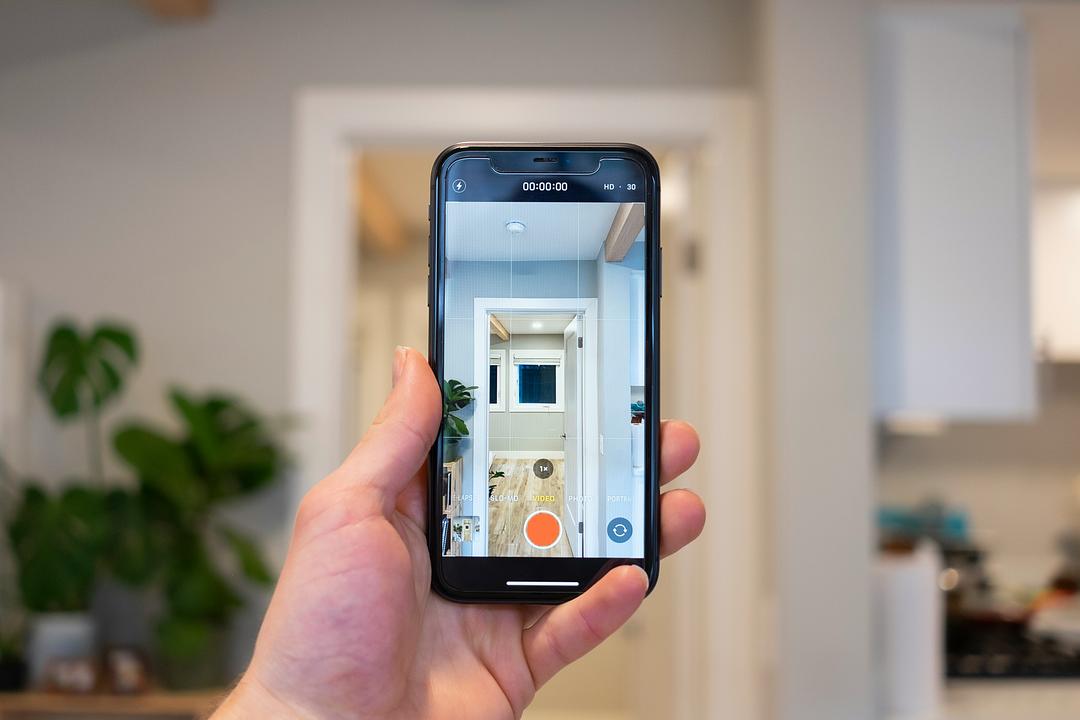
Your smartphone is enough to start. Shoot near windows for soft light, brace your elbows or use a small tripod for steady footage, and record audio in a quiet room. Consider a pro only once video drives steady business and you want higher production value.
Step 4: Edit For Attention
Most people watch with the sound off, so add captions first. Keep the pace tight, cut dead air, and use on-screen text to highlight key details. Apply the same colors, fonts, and logo every time so your brand stays recognizable.
Step 5: Prepare To Publish And Get Found
Give each video a keyword-rich title and description so it can be found in search. Add a clear thumbnail and relevant tags. Treat titles the way buyers type queries: plain, specific, and location-aware.
Action Tips: Your 5-Step Quick Checklist
- Plan the shot list before you arrive at the property.
- Script a hook, body, and call to action.
- Film with a steady phone and good light.
- Edit captions-first with consistent branding.
- Publish with a keyword-rich title and thumbnail.
How Long Should A Real Estate Video Be?
Match length to the platform. Keep social clips short, usually 15 to 60 seconds, and reserve longer full tours of a few minutes for YouTube and your listing pages. Shorter videos tend to sustain engagement, and completion drops as length grows, per Wistia’s video length and engagement benchmarks. When in doubt, cut it shorter and let interested viewers click through for more.
Where To Distribute: Short-Form And Platform Strategy
Post where attention already is, and match each format to its platform. Short-form clips build reach and discovery, while longer tours live on YouTube and your website as a searchable library.
Winning At Short-Form (Reels, Shorts, TikTok)
Social platforms are where agents earn their highest-quality leads, so short vertical clips help you reach buyers where they already spend time, according to NAR’s data on where agents earn their best leads. Win it with these basics:
- Open with a hook in the first two seconds.
- Film vertical 9:16 so the frame fills the phone.
- Add captions and consider trending audio for reach.
- Run series formats so viewers return for the next episode.
Building A Repeatable Posting System
Consistency beats volume. Set two or three content pillars, such as listings, local guides, and buyer tips, then commit to a cadence you can keep. Batch-film and schedule ahead so a busy week never breaks the streak. Fit video into the wider mix with a beginner’s real estate marketing plan.
Measuring What Works
Track a short list of metrics so you can improve without guessing. Watch four things: views, watch time or retention, engagement, and leads or appointments tied to video. Retention shows where viewers drop off, so shorten or re-cut those moments next time.
Keep your eye on pipeline, not vanity numbers. A clip with fewer views that books a listing appointment beats a viral one that books nothing. Route every viewer toward a conversation, then follow up using these real estate prospecting tips.
Staying Fair Housing Compliant In Your Videos
A listing video is advertising, and the same rules apply on camera. The Fair Housing Act prohibits discrimination against buyers and renters based on protected characteristics, and that extends to how you describe a property on camera, as explained in the National Association of REALTORS® overview of the Fair Housing Act. Describe the property and its features, not the kind of person who should live there.
- Avoid saying a home is “perfect for” a specific group, family type, or demographic.
- Don’t steer viewers toward or away from a neighborhood based on protected characteristics.
- Focus your narration on square footage, finishes, and amenities.
Keep Building Your Skills
Marketing is a skill you sharpen over time, and video rewards agents who keep practicing. Colibri’s board-approved continuing education catalog includes marketing electives, so you can meet your renewal requirements and get better at video in the same place. That means you keep your license current and build real skills at once, backed by a school trusted by 1.5M+ alumni nationwide. Explore Colibri’s online real estate continuing education courses when you’re ready to level up.
Conclusion
Here’s the whole playbook in one breath: pick a few repeatable formats, script and shot-list before you film, shoot simply with your phone, distribute short-form where attention is, measure against leads, and stay Fair Housing compliant. Do that consistently and real estate video marketing becomes a steady source of listings and referrals. Your next move is simple: publish your first listing tour this week.
Master Real Estate FREE Starter Kit Here
Frequently Asked Questions
Do I Need Professional Equipment To Start?
No. A modern smartphone shoots quality video for listings and social. Focus on good light, steady framing, and clear audio. Add gear only once video is driving steady business.
How Often Should I Post Video?
Choose a cadence you can keep every week, such as two or three clips. Consistency matters more than volume. Batch-film and schedule ahead so a busy week doesn’t break your streak.
What’s The Best Platform For Real Estate Video?
Match the format to the platform. Post short vertical clips to Reels, Shorts, and TikTok for discovery, and keep full property tours on YouTube and your website, where buyers search and watch longer.
How Long Should A Listing Video Be?
Keep social clips short, roughly 15 to 60 seconds, because completion falls as videos get longer. Save full tours of a few minutes for YouTube and listing pages, then let interested buyers click through for more.
Can I Get In Trouble For What I Say In A Listing Video?
Yes, because a listing video is advertising. Fair Housing rules prohibit discriminatory statements or preferences, so describe the property and its features, not the type of person who should live there.


