How to Become a Real Estate Agent
Ready to unlock the freedom, flexibility, and unlimited income potential of a real estate career? This comprehensive guide walks you through every step—from understanding state requirements to building a thriving client base.
Why Choose a Career in Real Estate?
There are many benefits to working in this rewarding career. Here are some of the transformative advantages that make a real estate career a path to unparalleled personal and professional success:
Be Your Own Boss: Set your own goals, manage your time, and build a business that reflects your values.
Unlimited Income Potential: Your earnings aren’t capped by a salary—they’re tied directly to your effort and success. A 2025 survey of Colibri Real Estate alumni reports that income varies widely for new agents. Some start under $25K, while others quickly break into six figures. Roughly 1 in 4 surveyed alumni report their earnings to be $100K+ within their first three years.
Flexible Schedule: Structure your work around your life (instead of the other way around!)
Help People Achieve Their Dreams: Guide families through one of the most significant decisions of their lives—finding their dream home.
Diverse Career Opportunities: A real estate license opens doors to commercial real estate, property management, or even becoming a broker.
How to Become a Real Estate Agent in 5 Steps
While specific requirements vary by state, the journey to becoming a licensed real estate agent follows these five fundamental steps.
Step 1:
Meet basic requirements
Every state has its own licensing requirements, but they generally include:
- Age and Eligibility: Most states require you to be at least 18 years old and a legal resident.
- Pre-Licensing Education: Complete a specific number of coursework hours from an approved school.
- Background Check: A criminal background check is standard.
- State Exam: Pass a state-administered licensing exam.
Research your state’s process carefully. The right real estate school will guide you through these requirements to ensure you’re on track.

Step 2:
Find a real estate school
Choosing the right school is critical for your success. When researching schools, consider:
- Accreditation: Ensure the school is approved by your state’s real estate commission.
- Course Format: Over half of aspiring agents prefer self-paced online learning for maximum flexibility.
- Exam Prep Resources: Look for schools offering practice tests and study guides to boost your confidence.
- Instructor Expertise: Experienced instructors provide invaluable real-world insights.
- Cost and Value: Most aspiring agents plan to spend $200-$500 on courses. Consider the overall value, including student support, exam prep materials, and career resources.
Comparing Online vs. In-Person Real Estate Schools
- Online Schools: Offer maximum flexibility, allowing you to study anytime, anywhere—ideal for those balancing work or family commitments.
- In-Person Schools: Provide structured environments and direct interaction with instructors and peers.
Step 3:
Take your real estate pre-licensing coursework
Your pre-licensing courses cover essential topics like real estate law, property rights, contracts, and finance. This material forms the foundation of your career and prepares you for the state exam.
Engage deeply with the material. Take notes, participate in discussions, and ask questions. Successfully completing your coursework is the prerequisite for sitting for the state licensing exam.
Step 4:
Pass your state licensing exam
The state exam typically consists of two parts: a national section covering general real estate principles and a state-specific section on local laws and regulations.
Dedicate ample time to studying. Use exam prep materials, take practice tests, and review your course notes thoroughly. On exam day, arrive early with all required identification and documentation.
Step 5:
Join a brokerage and find clients
Passing your exam is a huge achievement, but the work is just beginning. To officially practice real estate, you must join a brokerage. As a new agent, you’ll work under a licensed broker who will supervise your transactions and provide guidance.
Choosing a Brokerage
Selecting the right brokerage is one of the most important decisions you’ll make. Consider:
- Training and Mentorship: Look for a brokerage that invests in new agents with strong training programs and mentorship opportunities.
- Commission Splits: Understand how you’ll be compensated.
- Company Culture: Find a team that aligns with your values and work style.
- Lead Generation Support: Ask what tools and systems the brokerage offers to help you find clients.
After joining a brokerage, build your client base by leveraging your personal network, hosting open houses, and using social media. With dedication and the right strategies, you can build a successful and fulfilling career.

What to Expect: The Realities of Real Estate
A career in real estate can be exciting and rewarding, but it’s important to approach it with realistic expectations. Market conditions fluctuate, which means your income can be unpredictable, especially in the early stages. Success in this field requires discipline, resilience, and excellent time-management skills, as well as continuous learning and networking.

A day in the life of a real estate agent
Your daily schedule will depend on whether you specialize in residential or commercial properties but cultivating flexibility and adaptability will be crucial for your success in this dynamic industry. Typical hours may extend beyond the regular 9-to-5, as clients may need to meet during evenings or weekends.
A significant portion of your time will be spent on lead generation — finding clients through networking events, social media, or recommendations from past clients. You’ll also spend time preparing listings, scheduling showings, negotiating deals, and managing paperwork. While every day is different, balancing client-facing activities with administrative tasks is essential.

Building your foundation
To start your career, you’ll need to obtain your real estate license, which involves passing state-specific exams and meeting educational requirements. Training programs, such as Colibri’s Survive & Thrive will help you build expertise and stand out in a competitive field.

Financial realities and support
The national average salary for real estate agents varies widely depending on location, experience, and market conditions. As an independent contractor, you’re responsible for your own taxes, health insurance, and marketing expenses. While the freedom to build your own business is empowering, it comes with significant responsibility. Having a strong support network, whether through mentors, peers, or a REALTORS guide, can provide valuable advice and motivation.
Your working environment
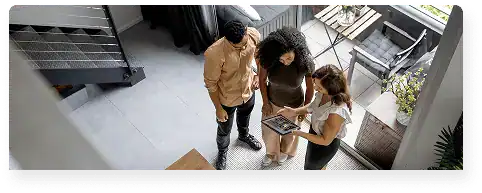
Real estate is a people-focused career, requiring excellent interpersonal skills and the ability to build lasting relationships. Whether you’re managing open houses, touring properties, or guiding sellers and buyers through complex transactions, your working environment is dynamic and fast-paced. You’ll spend time both in the office and on-site at properties, creating a mix of desk work and hands-on engagement.

Understanding your
local market
A deep understanding of your local market is the foundation of success in real estate. Familiarizing yourself with factors such as housing stock, local property values, and market trends allows you to provide valuable insights to your clients and stand out as a trusted professional.
Whether you’re focusing on residential neighborhoods or commercial properties, staying informed about shifts in demand, pricing fluctuations, and the characteristics of different areas empowers you to guide clients toward the best decisions for their needs. By dedicating time to researching and staying updated on your market, you position yourself as a knowledgeable expert who understands the nuances of the local real estate landscape.
Keys to success
To thrive in real estate, focus on developing strong lead generation strategies and staying adaptable to market changes. Building trust with clients, maintaining a professional reputation, and consistently delivering excellent service will help you grow your business. Whether you’re working with residential or commercial properties, every transaction is an opportunity to leave a positive impression and gain future referrals.
By understanding the realities of the profession and equipping yourself with the right tools, such as certifications, a strong network, and effective time management, you can navigate the challenges of a real estate career and create a path to long-term success.
Listen as Walther Johnson, Rookie of the Year, discusses his first commission:
Your Career Path: Success Beyond Licensing
Getting your license is just the start. The most successful agents are committed to lifelong learning.
Continuing Education for Real Estate Agents:
Some states require post-licensing courses and all require agents to complete continuing education (CE) courses to maintain their license. These courses keep you updated on industry trends and legal changes.
Advanced Certifications:
Earn designations from the Institute of Luxury Home Marketing or the Real Estate Negotiation Institute to specialize and enhance your credibility.
Becoming a Broker:
After gaining experience, you can pursue a broker’s license, which allows you to open your own brokerage and manage other agents.
Start Your Real Estate Journey Today
Your path to freedom, flexibility, and unlimited income potential begins with the right education. Get started with state-approved, online courses designed to fit your lifestyle and set you up for success.
Disclaimer: The guide mentioned in this article is for general informational purposes only, based on an August 2025 survey of Colibri Real Estate alumni and publicly available industry sources. While Colibri Real Estate strives for accuracy, we make no guarantees regarding the completeness, reliability, or applicability of the information. Earnings and outcomes vary widely based on factors like location, experience, and market conditions and should not be considered guarantees. This guide does not constitute professional advice. Users should consult additional sources for personalized guidance.
Frequently Asked Questions (FAQs)
A real estate agent is a licensed professional who must work under a supervising broker. A real estate broker has completed additional education and licensing requirements, allowing them to work independently or hire other agents.
Many people transition into real estate part-time. The flexibility of online pre-licensing courses makes it possible to study around your current work schedule. Once licensed, you can start building your business on evenings and weekends until you’re ready to make it your full-time career.
The total cost varies by state but generally includes:
Pre-Licensing Courses: $200–$1,000+
Exam Fees: $50–$100
Licensing Application Fees: $75–$200
Background Check/Fingerprinting: $40–$60
Additional startup costs include brokerage fees, MLS access, and marketing materials.
It can take anywhere from one to six months, depending on your state’s education requirements and how quickly you complete your coursework. Online, self-paced courses offer the fastest route for motivated individuals.